
Determination of Ferrous Content in the Supplied Iron Ore Sample
Introduction
Potassium dichromate acts as an oxidizing agent (E⁰_red = +1.33 V) in the presence of an acid, and each molecule of it gives up three atoms of oxygen available for oxidation of the reducing agent. Potassium dichromate is a primary standard and is less powerful as an oxidizing agent than KMnO₄ (E⁰_red = +1.33 V). The oxidizing character of these species depends on the pH of the solution. KMnO₄ acts as an oxidizing agent in acidic, basic, and neutral media, but has the strongest oxidizing character in acidic medium. Unlike KMnO₄, K₂Cr₂O₇ behaves as an oxidizing agent only in acidic medium according to the following reaction:
When acidic K₂Cr₂O₇ is added an iron ore sample containing Fe²⁺ ions, Fe²⁺ gets oxidized to Fe³⁺ ions according to the following reaction:
In this titration, K₃Fe(CN)₆ is used as an external indicator. It gives a blue color upon reaction. If ferrous ions (Fe²⁺) are present, a strong blue color is developed due to:
At the end point, no Fe²⁺ ions are present in the solution, so the indicator fails to produce a blue color.
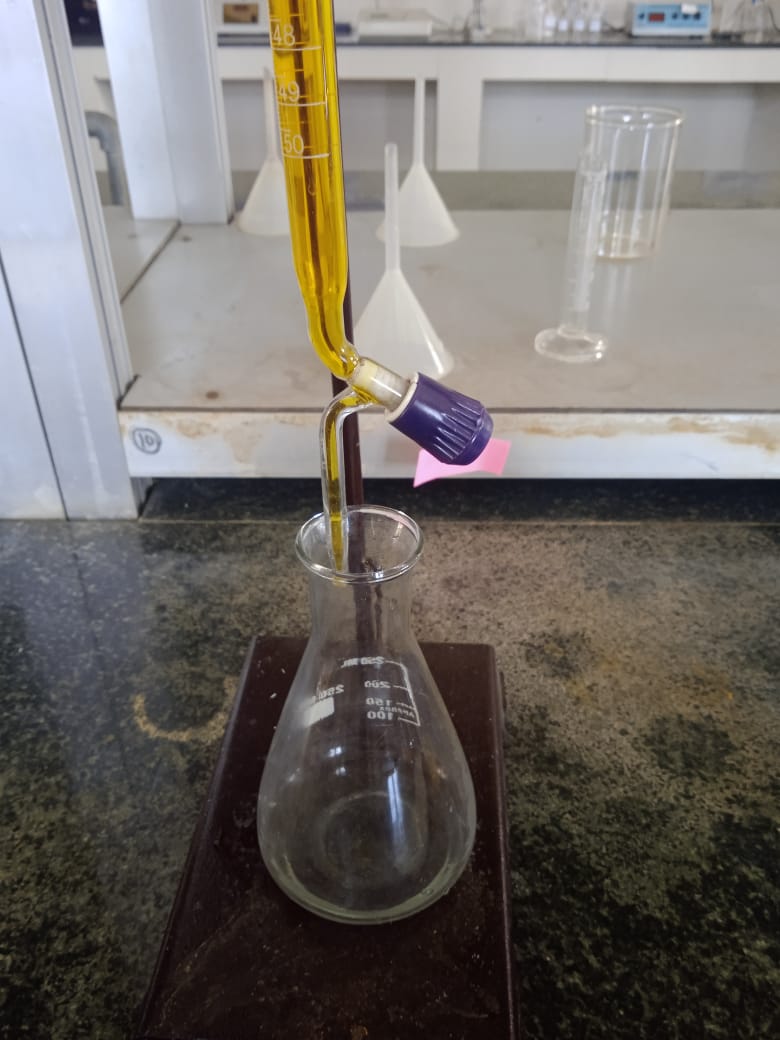
Fig. 1 Titration of FAS solution against K₂Cr₂O₇ solution
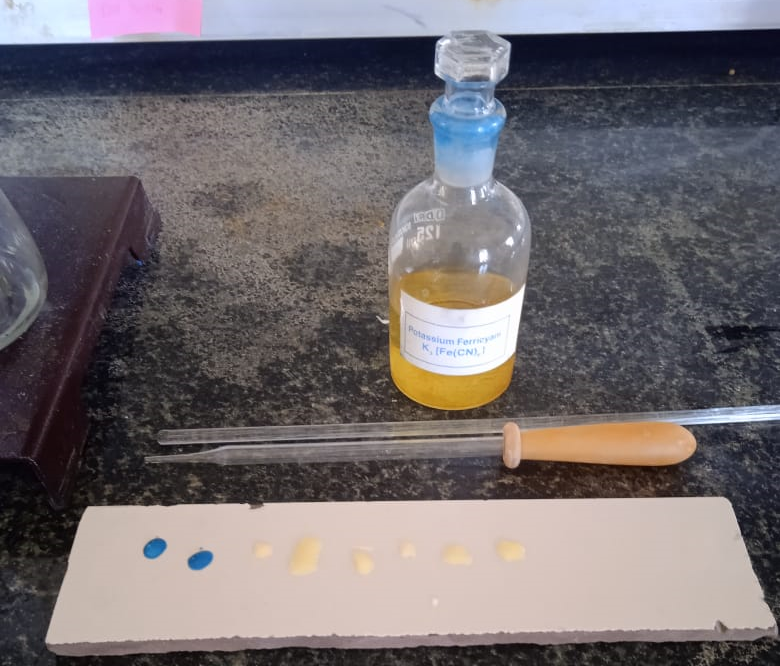
Fig. 2 K₃Fe(CN)₆ as an External Indicator
Applications of Determination of Ferrous Content
1.Quality Control in Iron and Steel Production
2.Metallurgical Process Optimization
3.Environmental Monitoring and Compliance
4.Research in Ore Characterization
5.Educational Purposes in Chemistry Labs